
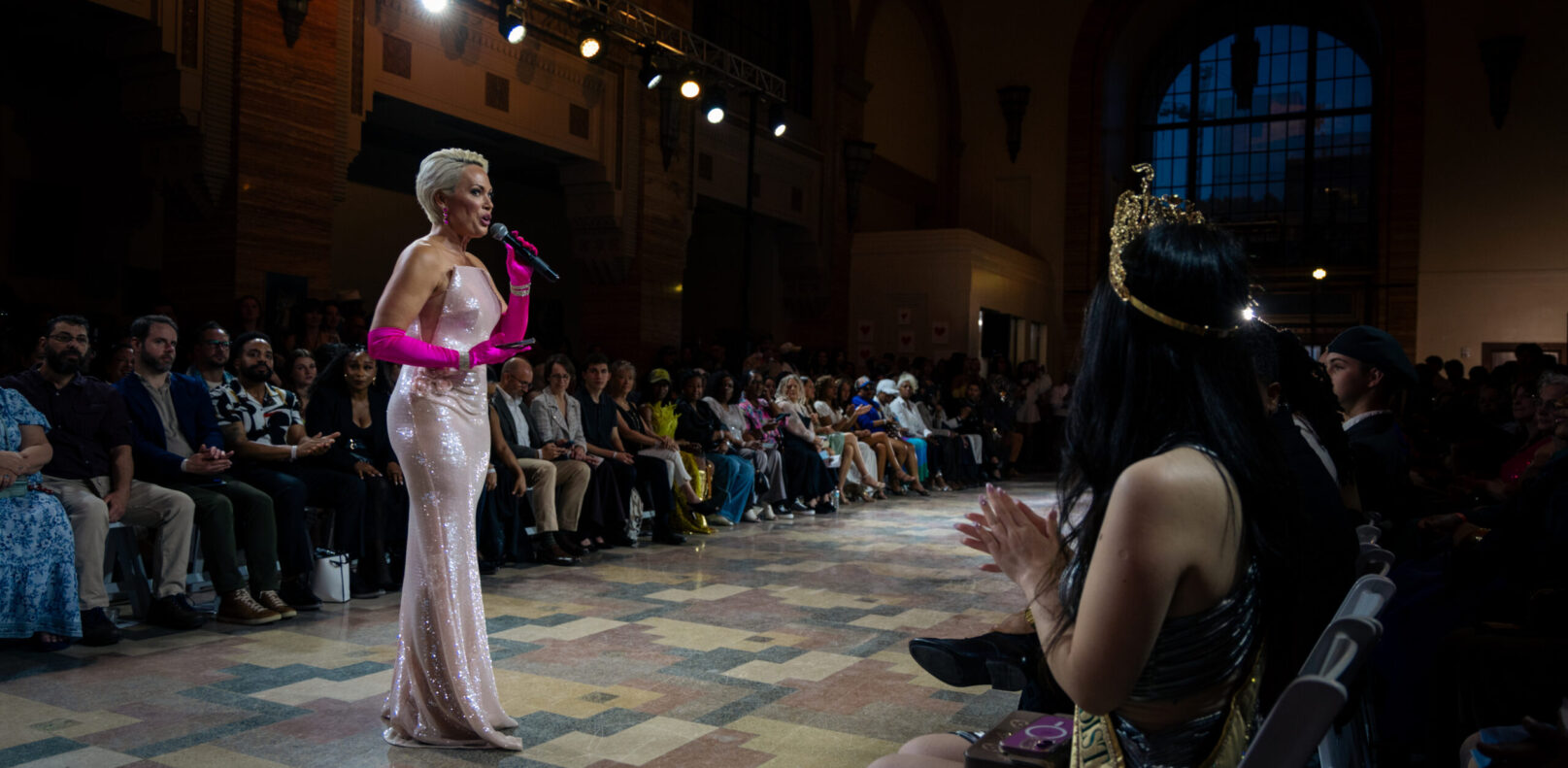
RVA Fashion Week is a staple for the Richmond community. Since 1998, this event has featured immersive fashion experiences with live music, art installations, local vendors, and runway performances. This year’s theme was Elevation, emphasizing the advancement of dress through our local designers and artists. I had the opportunity to attend this year’s event to chat with a few stylish attendees and provide Ink readers with my favorite moments from the runway.
Flowixm: The Canvas Collection
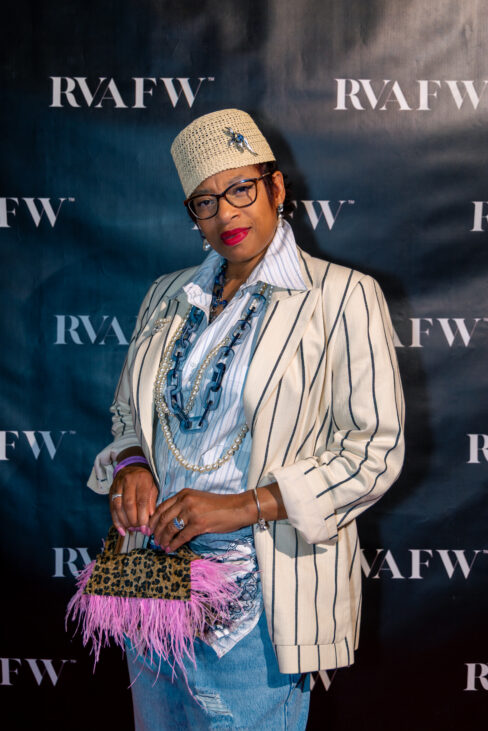
I began the night searching for my first interviewee and I couldn’t have had a better start. Olivia Cantrell is a luxury and editorial stylist, focusing on transformative streetwear. Cantrell is originally from New Orleans and has a military background; she decided she wanted to pursue her passion for fashion arts and has since been mentored by Law Roach’s School of Style. Cantrell places an emphasis on fine tailoring and authentic style, using vintage pieces to express the niches of her story.
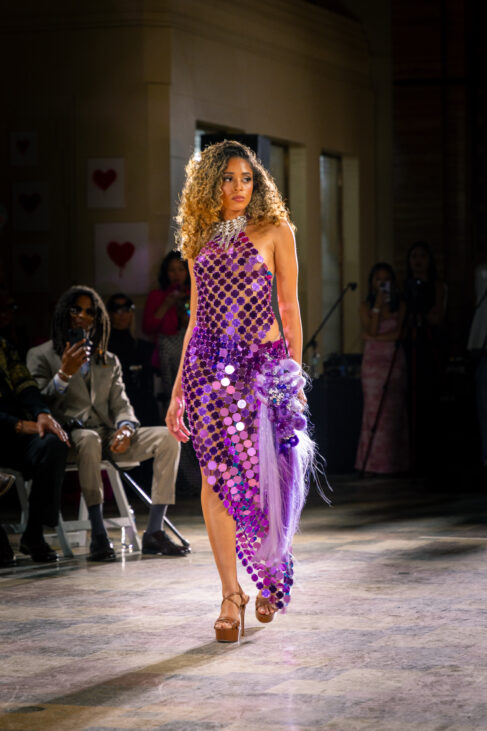
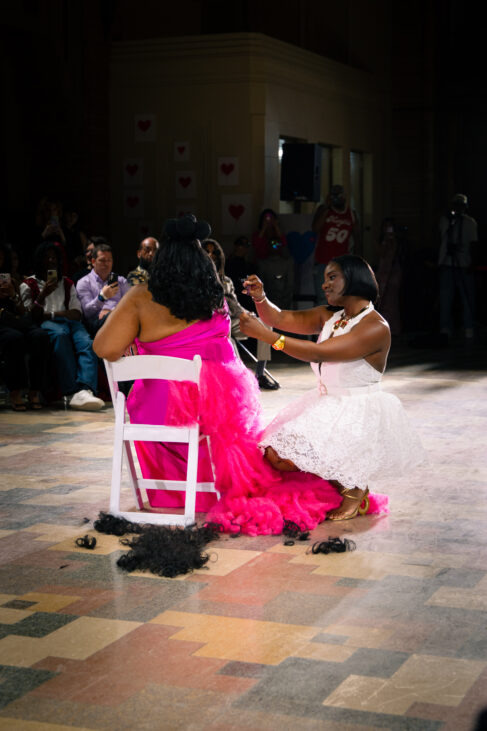
Friday’s performance was titled “Flowixm: The Canvas Collection,” which combined fashion and art to push the boundaries of expression through the process of creation. The show was opened by the designs of Kay Woodson, who is both a fashion designer and the lead beauty advisor for RVAFW. Woodson used her hair styling knowledge to reimagine hair clips and extensions as sequins and fabric, creating a collection focused entirely on meshing these mediums of beauty. Woodson’s collection ended with a personal performance, in which she came out of the audience and cut the final model’s hair directly on the runway.
In between performances I spotted my friend Andrew Walker, who I interviewed for Ink Magazine last year (you can read that article here). As the lead designer for FuzzyForceField Sweater Co., Andrew works closely with the brother-duo Oliver and Abbot Aiken, who run a weekly sidewalk sale in the Museum District and supply local artists with textile materials. All three had been invited to see Liam Weis’ runway debut, a local graffiti artist who has gained an online presence from his viral videos.
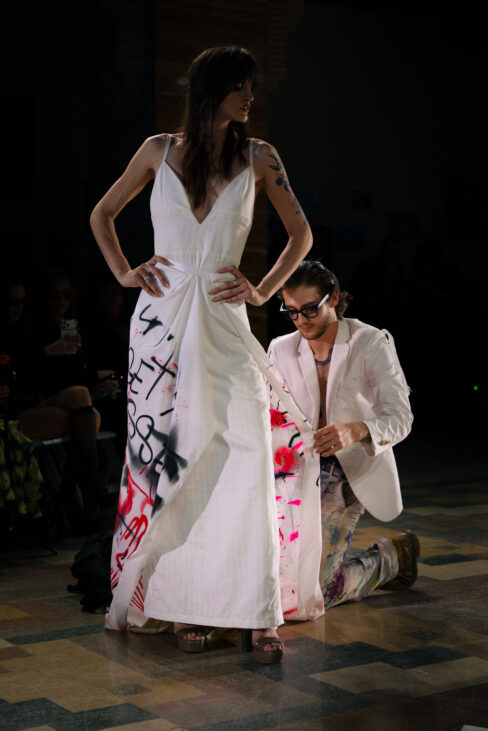
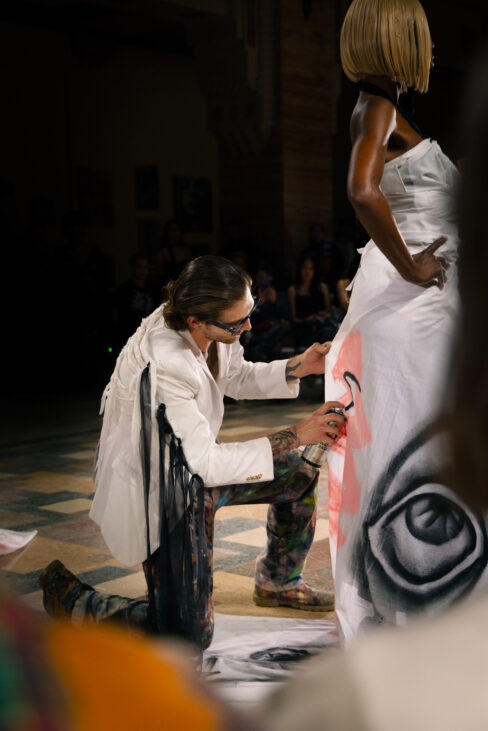
The performance was continued during the Canvas Collection as five models walked the runway in white dresses and skirts, elegantly draped by executive director Ryan Azia. The models returned with new pieces of fabric attached to their silhouettes, half-painted with unfinished designs. Weis took to the runway and finished these designs as a live performance, painting eyes and details to create whole faces on the garments. When I spoke to Weis after the show, he said it felt “exhilarating,” and that he hopes to see more authentic, live production on the runway soon.
Structure: A Study in Fashion – Interview & Top Three Designers
We returned to RVAFW on Saturday for “Structure: A Study in Fashion,” which fused precision, artistry, and craftsmanship to develop experimental looks. To begin the evening I talked to local musician Emily, who works under the name Bijoux Nouveau. Saturday was her debut performance in which she sang her new single, “Water Witch.” She was curious about the latest cape trend and what it meant for the bounds of modesty in current fashion. Nouveau also spoke about the intention behind pushing yourself out of your comfort zone, and into a space of play and experimentation. She said that the “best creativity is when you’re not thinking about [making] it.”
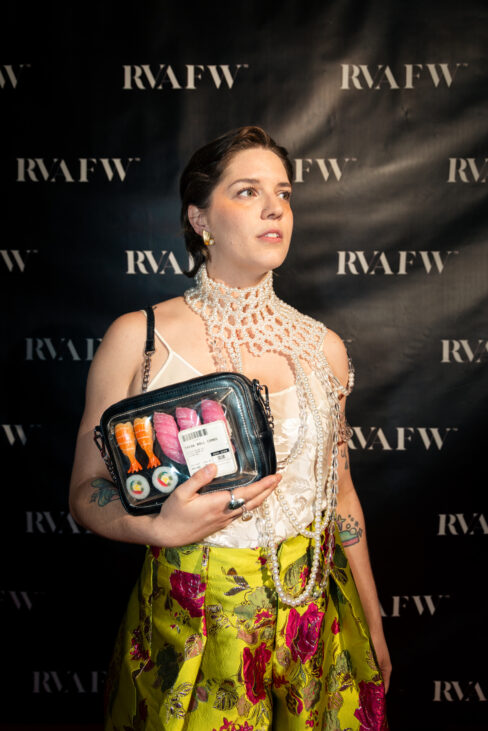
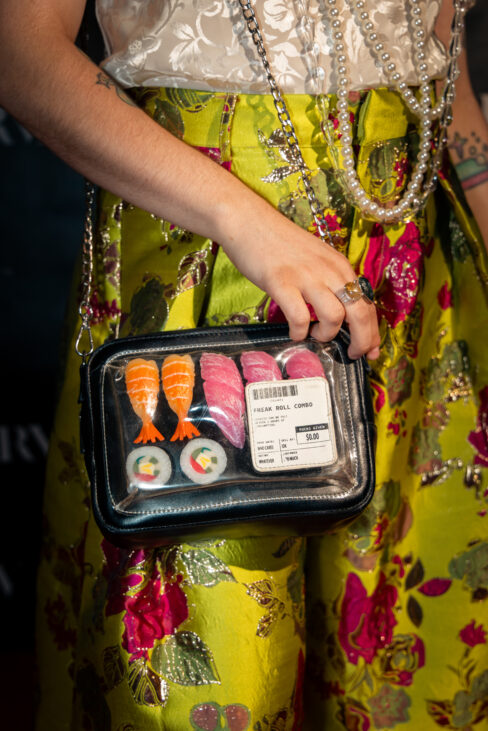
Bijoux Nouveau @bijoux.nouveau
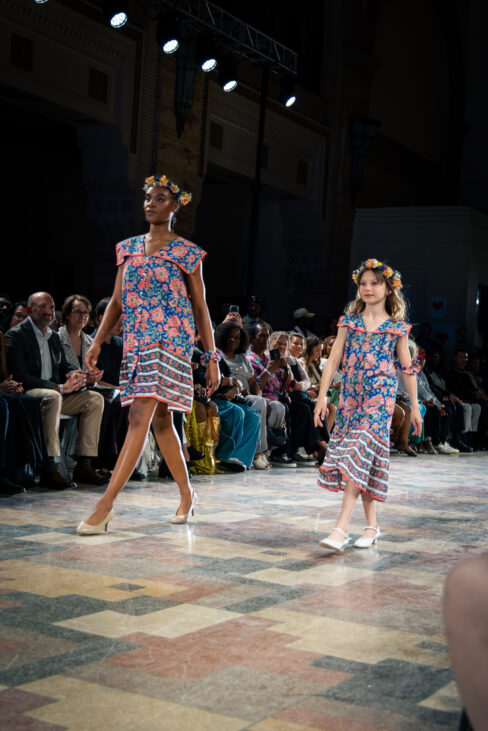
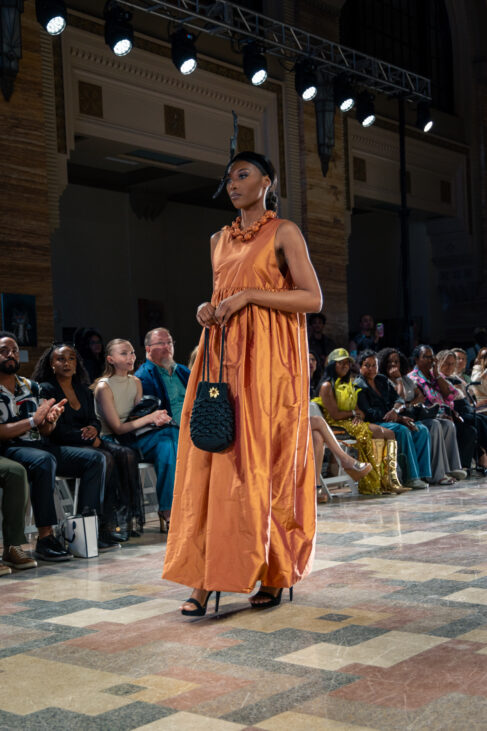
The fashion show was opened by Mapulder, a designer that uses all natural fabric, dyes and printing techniques. Their looks featured mother & daughter matching sets, tassels, florals and saturated pastels. Mapulder’s collection combined nautical silhouettes with tasteful earthy notes, reminding me of playful boho-resort wear for individuals who live on the coast rather than those who visit it.
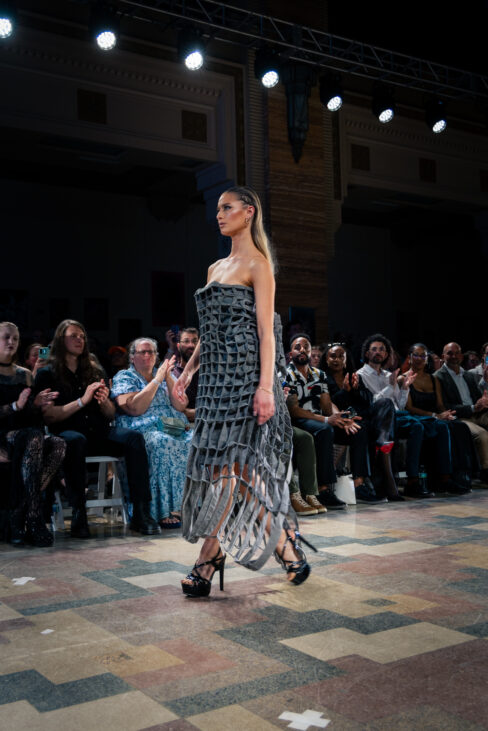
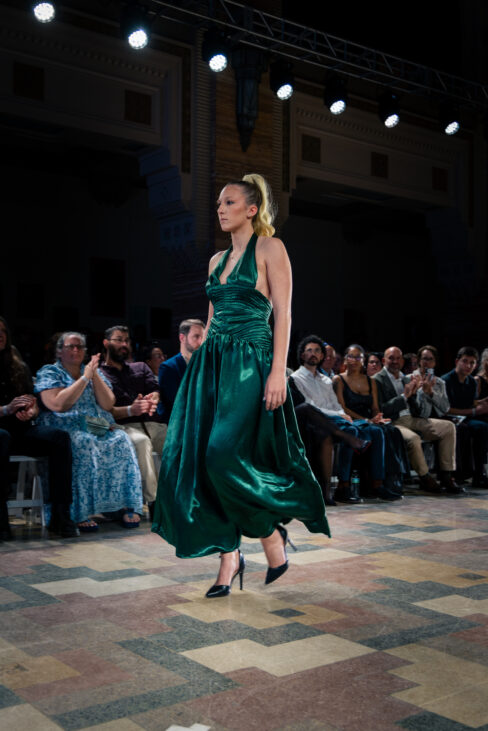
Produced by Maison Lael, the third collection explored how the body moves against design features such as pleats, tethers and cutouts, with pieces that were held towards and away from the body. These designs are without a doubt eveningwear, with some leaning towards avante-garde, but all showed the designers fine technical skills in fabric manipulation. Due to the emphasis on how the clothing moves around the body within them, these pieces were exceptionally sexy.
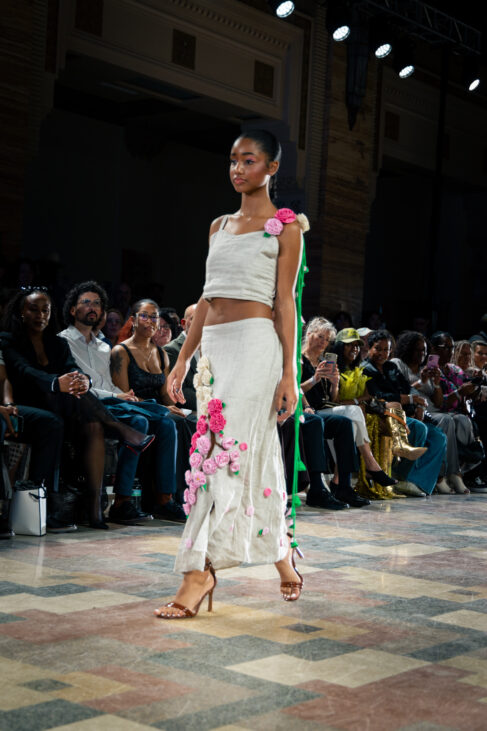
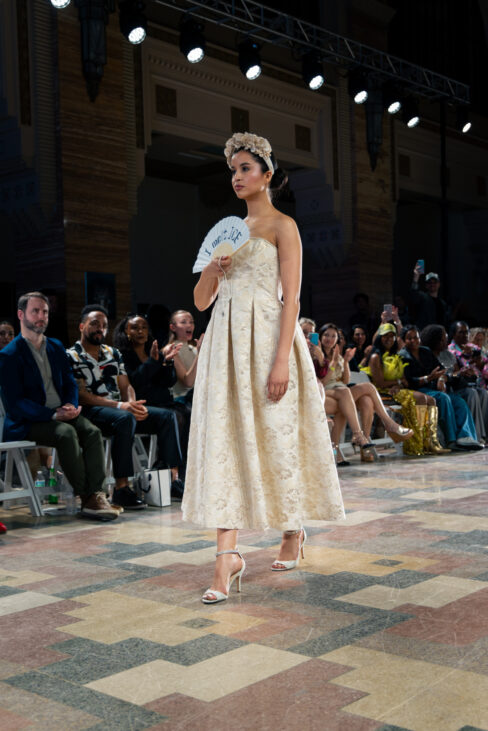
The last show of the evening was produced by Constantine Atelier, who was inspired by the VMFA’s recent Frida Kahlo exhibition. The designs displayed excellent construction capabilities with ruffled collars, petal sleeves, and a mastery of tulle and fringe. Along with the well-matched accessories and dynamic headpieces, a notable aspect of this collection was how the simplicity of the garments made the luscious fabrics stand out even more. The final look featured a cream dress and a matching rose crown, along with a fan held by the model that read: “I Melt ICE.”
Blueprint: RVA Coded – Top Three Designers
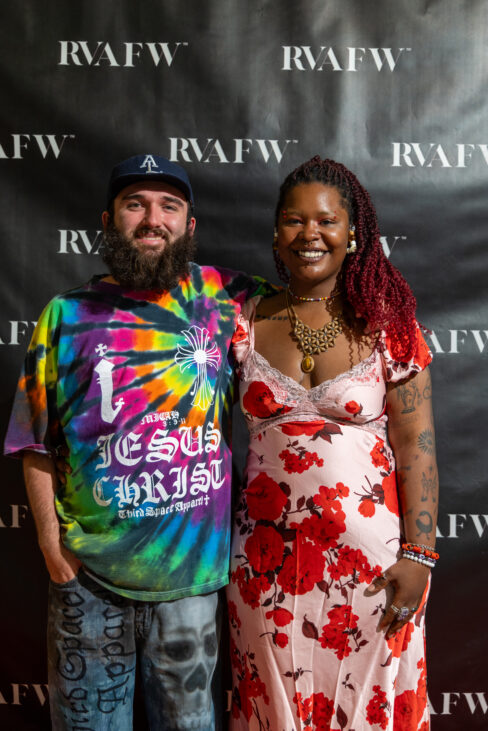
The final day of RVAFW was all about streetwear – current and practical pieces that you can wear anywhere in town while still turning heads. I was stopped by Franciyana, as she recognized my work from the Ink Magazine Fall 2025 print issue, CYBER. She and her partner, James, were attending RVAFW as their upcycling brand was vending at the Swap Meet Vintage Flea Market down the hall. James described their label Third Space Apparel as “a place to hang out,” and emphasized sustainability in his design practice. Franciyana mentioned how spirituality can be expressed in texture, as processing of the five senses often brings her clarity. The duo love to take what they have and make something new.
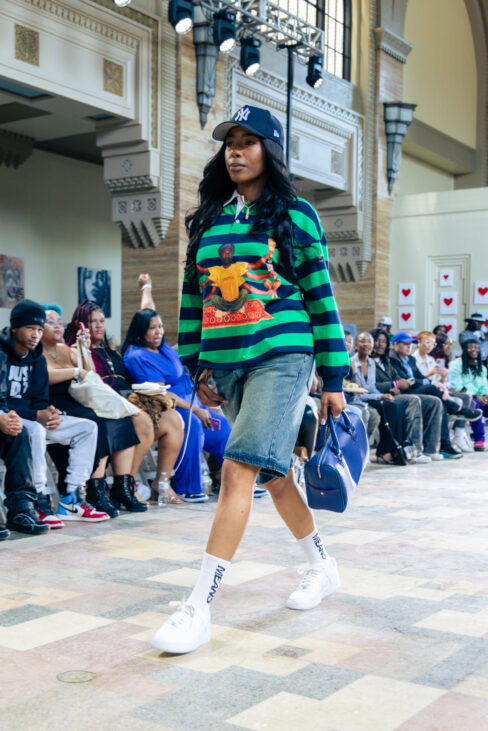
The fifth collection of the day was developed by MEANS, a local screen printing brand that makes custom pieces with original artwork. The brand showed off their printing techniques by combining prep and streetwear, reminiscent of Polo Ralph Lauren. MEANS utilizes a clean and classic fit with effortless styling – which I believe to be the ultimate signifier of successful streetwear.
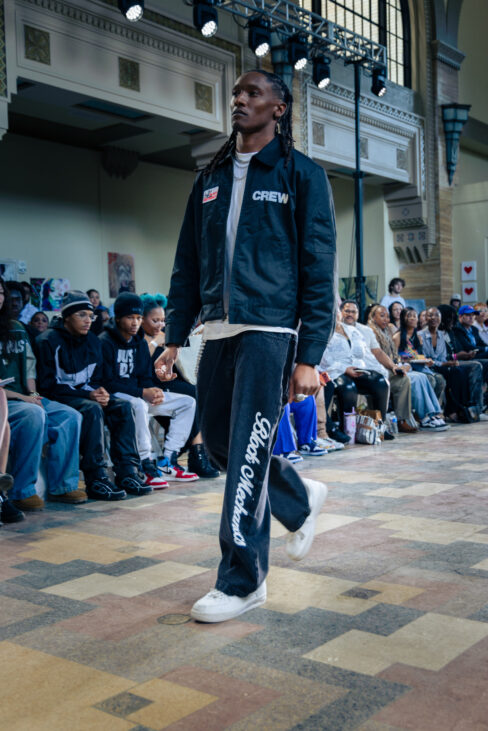
The sixth show was produced by Nubati, a collective that produces entirely upcycled clothing. In their collection titled “A Nudge of Gratitude,” the group reimagined textile waste in a variety of garments full of neutrals, oversized knits, and modular designs. Nubati explores the way seam lines and performance can draw the viewer’s eye beyond a simple silhouette, as two models brought out an office chair and briefcase with cards to hand out to the audience. Quietly, this show played with the idea of business attire and made me ask: What would officewear look like at the end of the world?
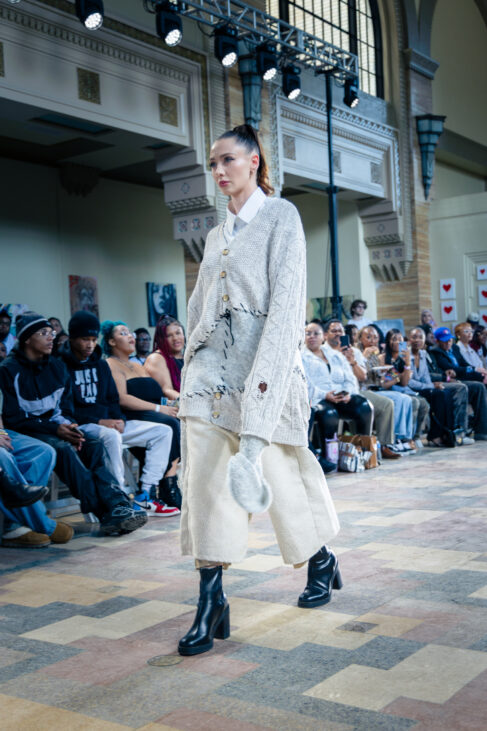
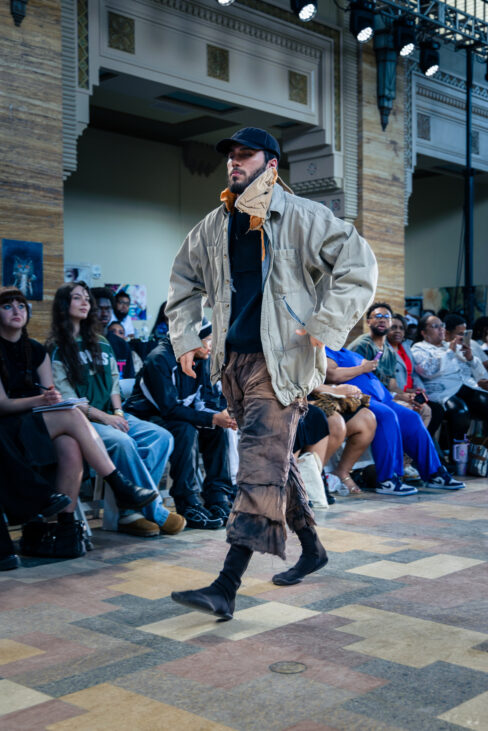
Dykemint produced the final show of the day with their collection titled “Big Feelings, Gauche Sentiments.” The DMV-based designers coined their work as “maximalist slow-fashion,” using only recycled and donated textiles to create new, one-of-one garments. With warm tones, patch-work and typography, the collection harnessed kitsch into reimagined, vibrant designs. Dykemint was easily one of my favorite collections from the entire event, as their emphasis on whimsy and queer joy was a breath of fresh air.
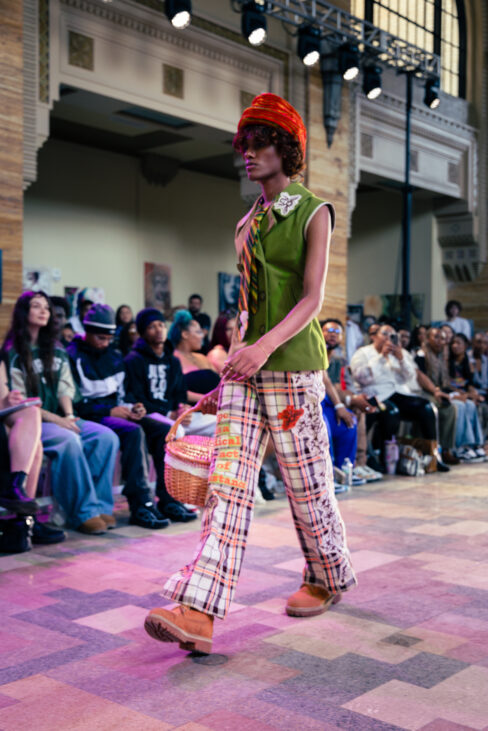
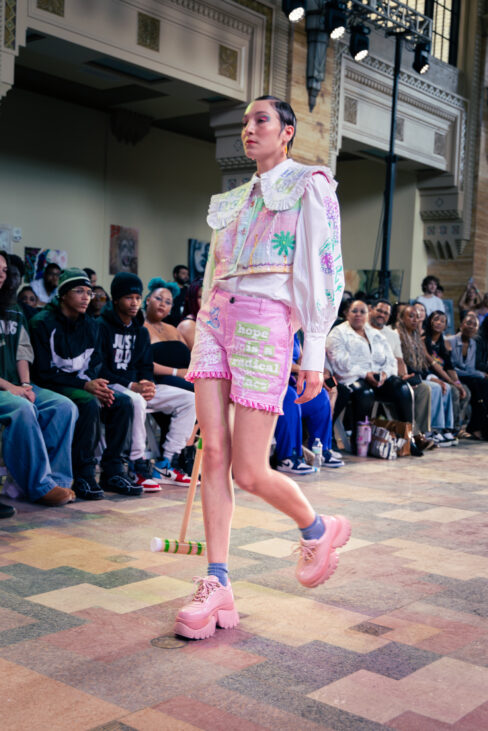
Our RVAFW S/S 2026 weekend was nothing short of a good time. With live music, professional MCs, and fine arts intermingled with a buzzing crowd, the organizers knew exactly how to connect emerging designers with their next clients through this exciting event. While we wait patiently for next year’s show, you can view more images of the highlights here.
Special thanks to Jimmy Budd and Julie Adams for graciously providing Ink Magazine with the opportunity to cover this event.
Photography: Noah Sandrowitz