
The morning of October 2nd started normally. At 11 a.m. I waited at Main & Laurel for the GRTC bus, enjoying the sunny yet breezy weather indicative of the transitioning seasons. To fill the time, I basked in the shadow of Gladding Residence Center, lightheartedly reminiscing over the trials of my freshman year (which somehow always seem better in retrospect). I then stared at a small dog while it peed in the grass, as one does. But unlike most of my trips to Carytown, I’m clad in a Victorian costume blouse, lace knee-high socks, and a frilly pink petticoat that doubles my total width. And for an occasion like this, that’s considered underdressed.
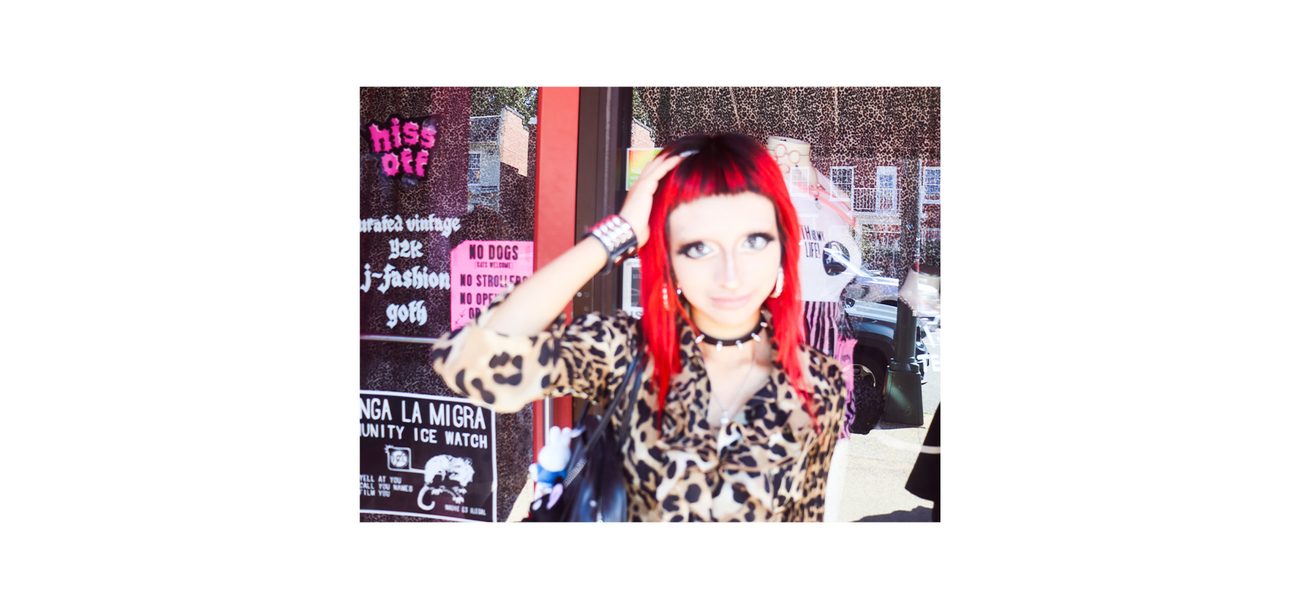
My travels took me to the newly-opened location of Y2K boutique Hiss Off. As I approached the shop, I quickly spotted other eye-catching fashionistas walking in my direction. It was as if a magnetic force were pulling Richmond’s baddies to an invisible, esoteric source. I joined a forming group at the storefront, where one person dressed from head to toe in baby pink called to me warmly: “Are you here for the RVA J-Fashion walk?”
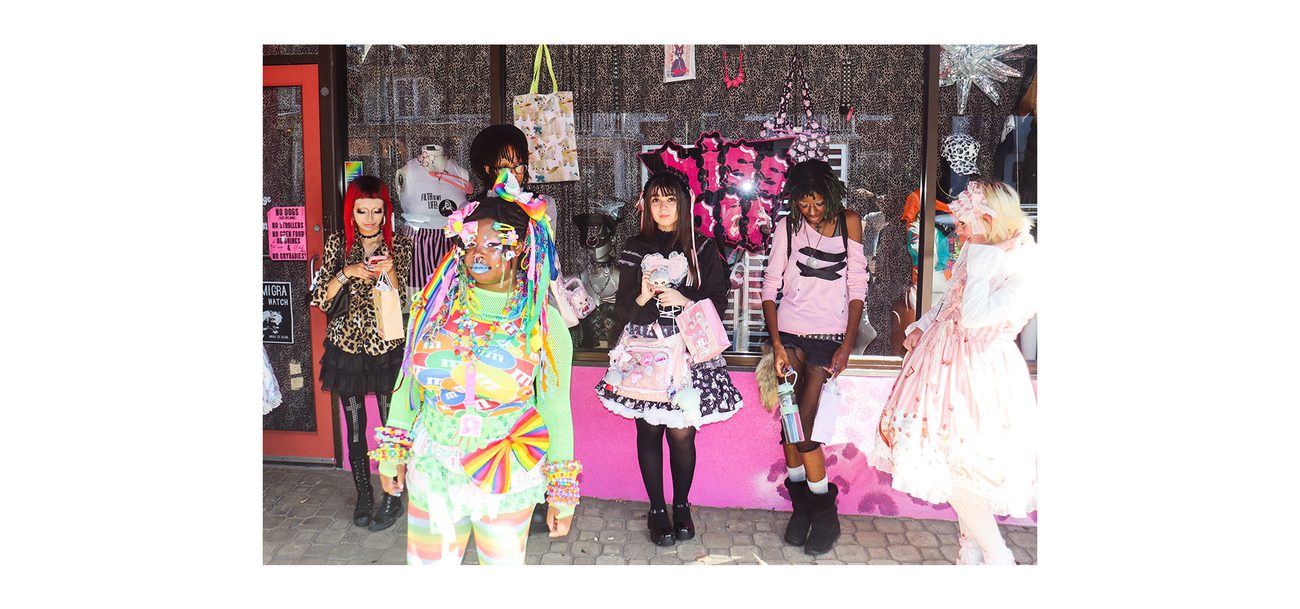
I’d later realize this was Ellie Borgus, the current leader of RVA J-Fashion and organizer of its inaugural event. J-fashion, or Japanese street fashion, is an encompassing term for alternative fashion subcultures that arose from Japan from 1960 to the 2000s. The most recognizable groups are likely the Victorian-inspired Lolitas and sassy Gyarus, both of which vary stylistically depending on their sub-genre.
With Richmond’s love for all things underground, J-fashion has been in our city as far back as 2007 through the Virginia EGL (Elegant Gothic Lolita) group that communicated through Facebook and LiveJournals. However, in the past few years, local organizations have gone through a period of stagnation. Besides the yearly Galaxycon downtown, the only consistent J-fashion meetup has been through VCU’s Cringe Club, which welcomes wearers but is not solely dedicated to. However, after graduating last spring with a Bachelor’s in Psychology, Borgus picked up a then-inactive RVA J-Fashion Instagram account and has been running it full time ever since. And with the internet’s recent wave of interest in Lolita and Gyaru cultures, the time for Carytown’s J-fashion walk couldn’t be any better.
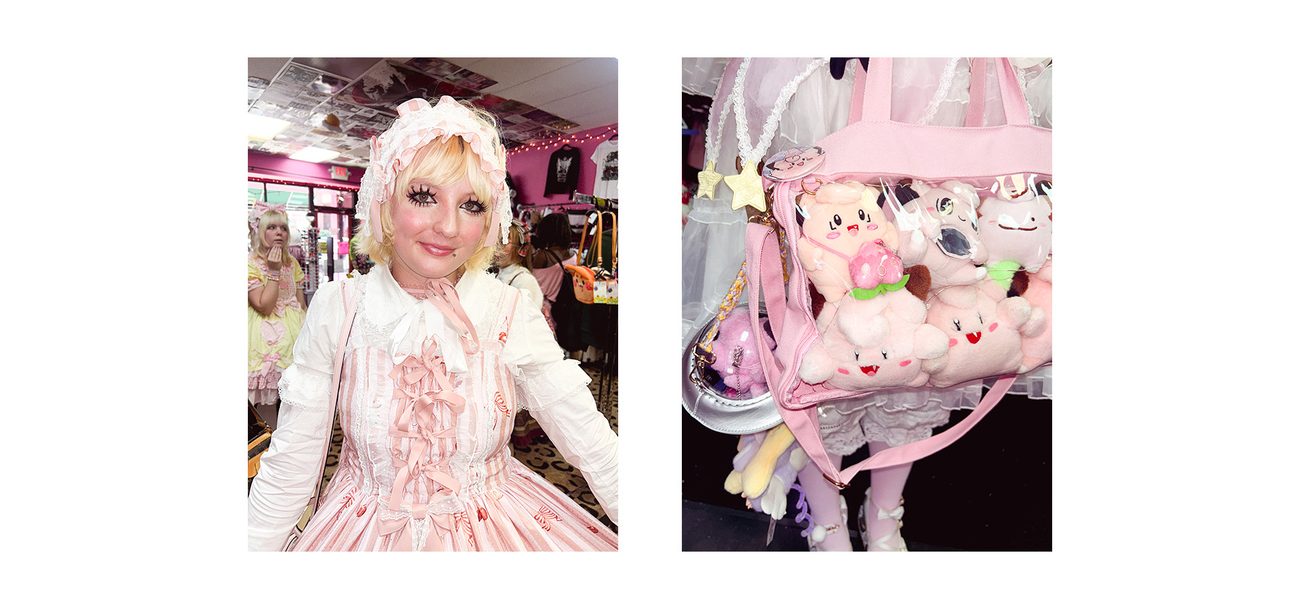
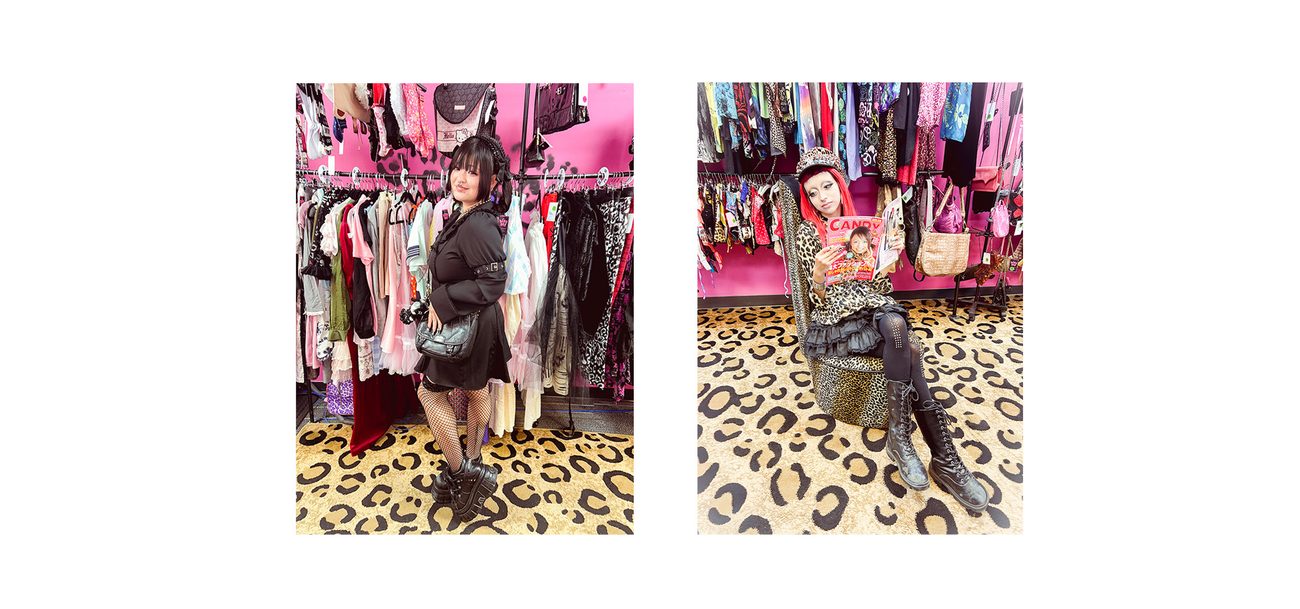
Back at Hiss Off, the group grew quickly, as did the extravagance of the outfits. Most people wore variations of Sweet Lolita, with pastel printed dresses covered in desserts, ribbons, and hamsters. A few Gyarus made their appearance with bold, high-contrast makeup. One person was full Decora-Kei with neon-rainbow accessories, while goths sported Demonias and dark, romantic blouses. The array of dyed hairstyles made everyone seem like a hyper-saturated video game character.
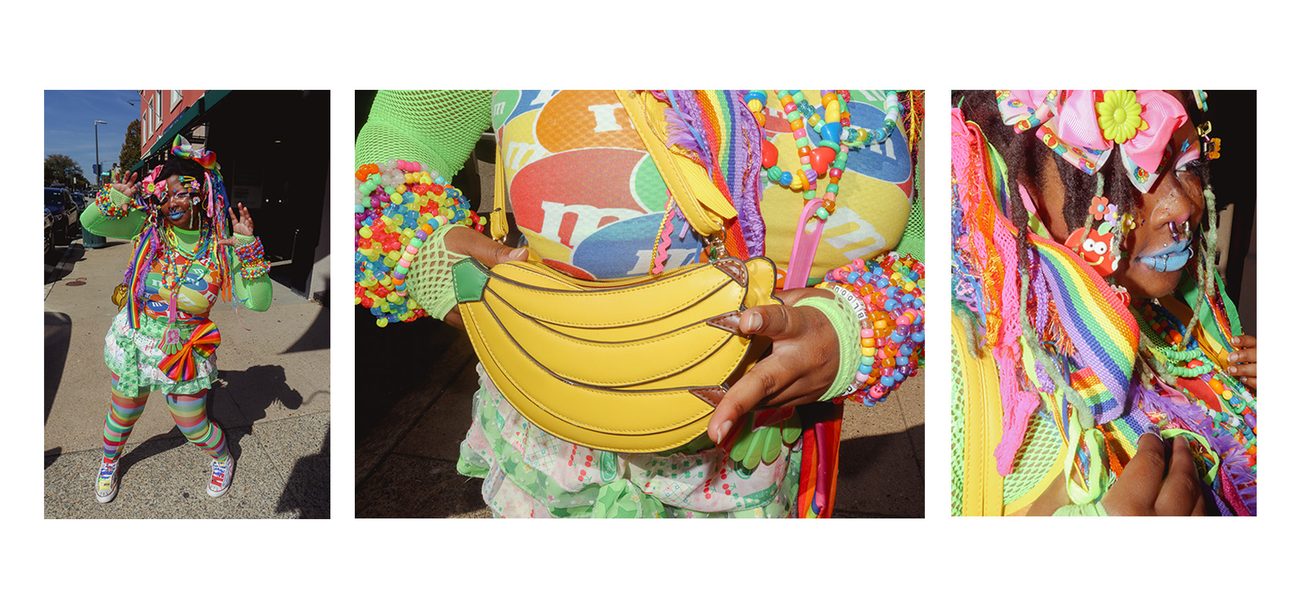
Although there were differing styles amongst the attendees, the sense of connectedness was overwhelming. To my surprise, I felt instantly bonded with these strangers as we shared our favorite shopping brands and J-fashion coming-of-age stories. It seemed that all of us knew what it felt like to stick out of the crowd, and thus our solidarity was felt even without words. Borgus would later comment in her interview that this sense of community was the ultimate goal of RVA J-Fashion.
Borgus: (on planning the Carytown walk): It was just amazing seeing everyone come for the fashion walk. It’s given me even more confidence to continue and have more events, because people clearly showed up. You can see that there’s a need for community because a lot of the communication and discourse (within the J-fashion community) is online, and that can become very toxic, very fast. But when you do it in real life, like these events, it’s so positive…that’s why I think it’s so important to have these real life events. People can see the outfits, the different textures, the different prints…
Stevens: How did you get into J-fashion in general?
Borgus: I actually have a story of when I first saw J-fashion in real life. I was in Carytown, in a restaurant, and I saw this girl walking down the street. She was in full Sweet Lolita, all pink, my favorite color scheme ever, and with a parasol. She was just walking down the street and I remember being so enamored and totally starstruck, like, “Wow, what is this fashion? She looks so awesome, this is so cool.” But of course, I was like, nine years old, so I didn’t really research much…I actually only really got into J-fashion about two or three years ago, and that’s when I put the pieces together. I was like, “Wait, that was a Lolita I saw in Carytown that time!” I just thought that was such a cool connection to see someone in real life wearing it because it’s so rare, you know? My first exposure to J-fashion wasn’t online like most people’s is. It was actually in real life.
Stevens: That’s amazing. Like, really like full circle!
Borgus: Yeah, truly, because we [created] the fashion walk in Carytown and my first exposure was in Carytown. I really feel like Carytown is such a fun place to dress up…I feel like you get so many compliments and so many people who are interested in your fashion. I just really love Carytown for that reason.
Stevens: What’s your favorite sub-style of J-fashion? Or what has your style evolution looked like over the years?
Borgus: Initially I was really into Jirai-kei and Ryōsan-gata, if you’re familiar. It’s kind of the pink and white version of Jirai-kei. I was also really into Mori-kei with the browns and the neutrals…but over the years I’ve really fallen in love with Lolita and Sweet Lolita in particular, because, of course, my favorite color is pink.
Stevens: I was also kind of the same, my introduction was really Sweet Lolita and Gothic Lolita. I still love Gothic Lolita, but now I’m dabbling a little more in Gyaru, which I also love. It was cool seeing a mix of Gyaru’s and Lolita’s at the event, very cool.
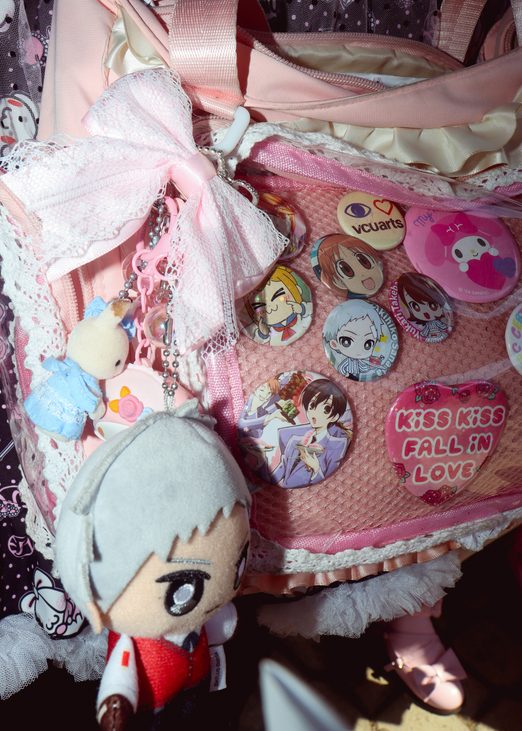
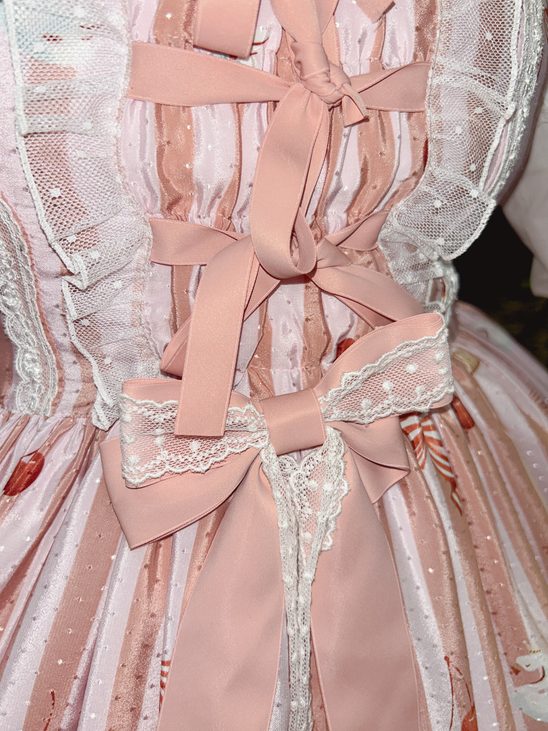
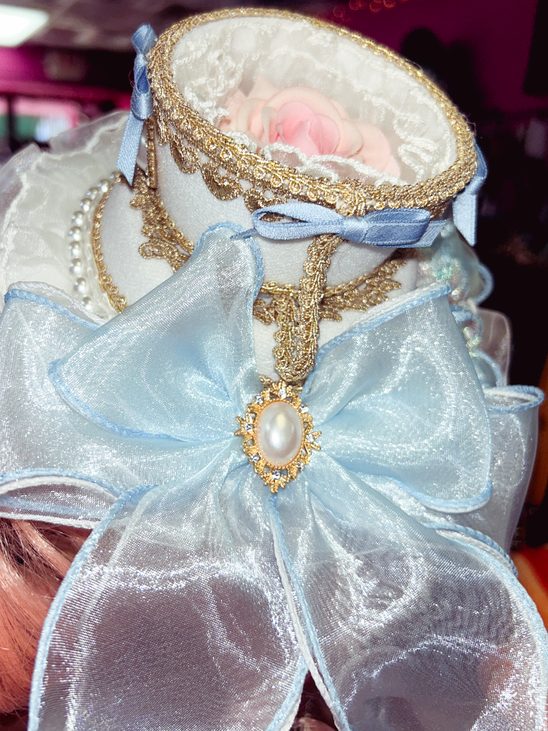
Borgus: Yeah, I was so happy to see the diversity of sub-styles people wore. It was so amazing seeing people come all dressed up. I was like, “Wow, these people are in it.” They really enjoy it and you can see it on their faces…and that’s all I’m really looking for, you know? That’s all I want to see from the community.
Stevens: Do you have a favorite brand to shop at for your J-fashion needs?
Borgus: I actually was a big, big fan of Baby the Stars Shine Bright. But recently I feel like I’m really into Angelic Pretty, which is surprising because when I first started getting into Lolita, I liked the old school look with the monochrome colors. But I guess I’ve slowly started to like prints, and I really enjoy Angelic Pretty’s prints because their sweet prints are just so iconic.
Stevens: I agree. The prints, especially on Lolita items, are just so unique from anything else you see.
Borgus: Yeah, yeah, exactly.
Stevens: In your opinion, what does J-fashion offer that mainstream Western fashion doesn’t?
Borgus: That’s a good question. I think it can foster a special type of community that other fashion styles don’t really have…with J-fashion and wearing it, you can feel really isolated. I think that’s why there’s such a big community for it online, because people reach out online and feel like they have a place to belong there, and that’s where we come in. I feel like RVA J-Fashion can really foster a community that’s real and will make you feel like you’re not crazy for whatever you’re wearing. And yeah, you can make friends through it, buy and sell and trade your clothes. You can be creative with each other and do all sorts of things with the community.
Stevens: Definitely. It’s interesting because wearing some J-fashions can kind of feel ostracizing, but at the same time when I see someone on campus in a little Lolita dress, I’m like, “Oh, that’s twin!”
Borgus: Yes, yes exactly! You feel a kinship because you both wear the same type of fashion. I think that’s so beautiful and important for us.
Fueled by the success of the Carytown walk, Borgus is looking positively towards the organization’s future. A J-fashion craft night and clothing swap are planned to take place later this fall, and hopefully, there will be even more fabulous faces present.
Borgus: I want there to be a community that is open and is expressly open to anyone. It doesn’t matter if you even wear the fashion. I just want people to be interested in learning more, you know? I want it to be an open space that people can just be like, “Oh, what is this? I’m curious. Let me find out more.”
Photography, Graphics: Rhiannon Stevens